
ABOUT THE ILLUMINATI
The Illuminati historically refers to a secret society founded in 1764 by Adam Weishaupt. In contemporary interpretation, the Illuminati represents an elite ideology centered on knowledge, strategic influence, and elevated human potential.
IDEOLOGY & STRUCTURE
This organization is presented as a California-based collective of thinkers, innovators, and strategists. Its structure reflects hierarchy, discretion, and purpose-driven unity.
- Power through intelligence
- Wealth as structured discipline
- Status earned through mastery
- Influence shaped by vision
- Appearance as self-command
FOUNDERS & PARTICIPANTS
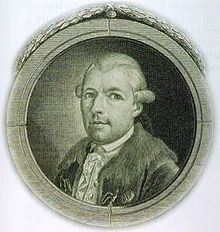

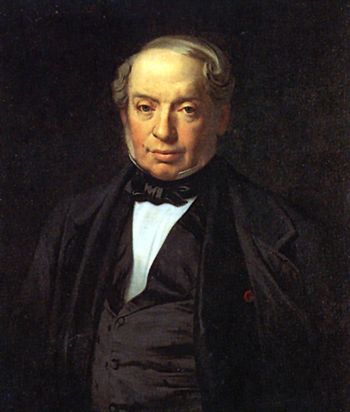
INTERNAL OVERVIEW
| Circle | Focus | Status |
|---|---|---|
| Inner | Strategic Vision | Active |
| Core | Execution | Operational |
| Outer | Observation | Restricted |
The History of the Illuminati
Truth, Mystery, and Myths
1. Origin: The Bavarian Illuminati (1776)
The Illuminati was founded on May 1, 1776, in Ingolstadt, Bavaria by Adam Weishaupt. It aimed to promote rational thought, oppose religious influence, and reform society through Enlightenment ideals.
2. Structure and Growth
The order grew across Europe, with members including politicians and intellectuals. It had secret ranks and rituals, partly modeled after Freemasonry.
3. Suppression and Disappearance
In 1785, the Bavarian government banned secret societies, forcing the Illuminati to disband. Weishaupt was exiled, but rumors of their influence lived on.
4. Myths and Conspiracies
Many believe the Illuminati still exists, controlling governments, celebrities, and aiming for a New World Order. Symbols like the all-seeing eye and pyramid are often linked to them, though without proof.
5. Illuminati in Pop Culture
From books like "Angels & Demons" to celebrity rumors, the Illuminati has become a pop culture phenomenon. Alleged signs include triangles and one-eye imagery.
6. Modern Reality
Historians agree the original group ended in the 1700s. after powers where transfererd to the next of king.
The Illuminati Legacy
The Illuminati represents an age-old pursuit of enlightenment, wisdom, and human advancement. For centuries, it has symbolized the thirst for knowledge and the empowerment of individuals through truth and education. Often misunderstood, the Illuminati is not about control—it’s about unlocking human potential and guiding society towards progress.
Across history, members believed in the importance of logic, science, and reason. Their goal has always been to support critical thinking, challenge oppression, and encourage unity among people of all races and beliefs. They valued equality and contributed quietly to the world’s evolution in arts, sciences, and human rights.
Their symbol, often a misunderstood eye or triangle, reflects vigilance, awareness, and insight. It reminds humanity to look deeper, think freely, and remain awake in a world filled with noise and distraction. This is not a call to blind obedience—but to curiosity and awakening.
In modern times, the term “Illuminati” inspires creators, thinkers, and innovators. It has become a metaphor for the power of ideas and the influence of knowledge. True to its roots, it speaks of building a better future—not through fear or secrecy, but through truth, compassion, and leadership.
Those who resonate with the Illuminati vision often strive for excellence—not just for themselves, but for humanity. They dream, they build, they lead. Their work may go unseen, but its impact reaches every corner of the globe.
The Illuminati is not an organization you see. It is a legacy of thinking, a philosophy of seeking. And it remains, as it always has been, a beacon to those who want to rise above ignorance and help guide the world toward a more unified and enlightened tomorrow.